

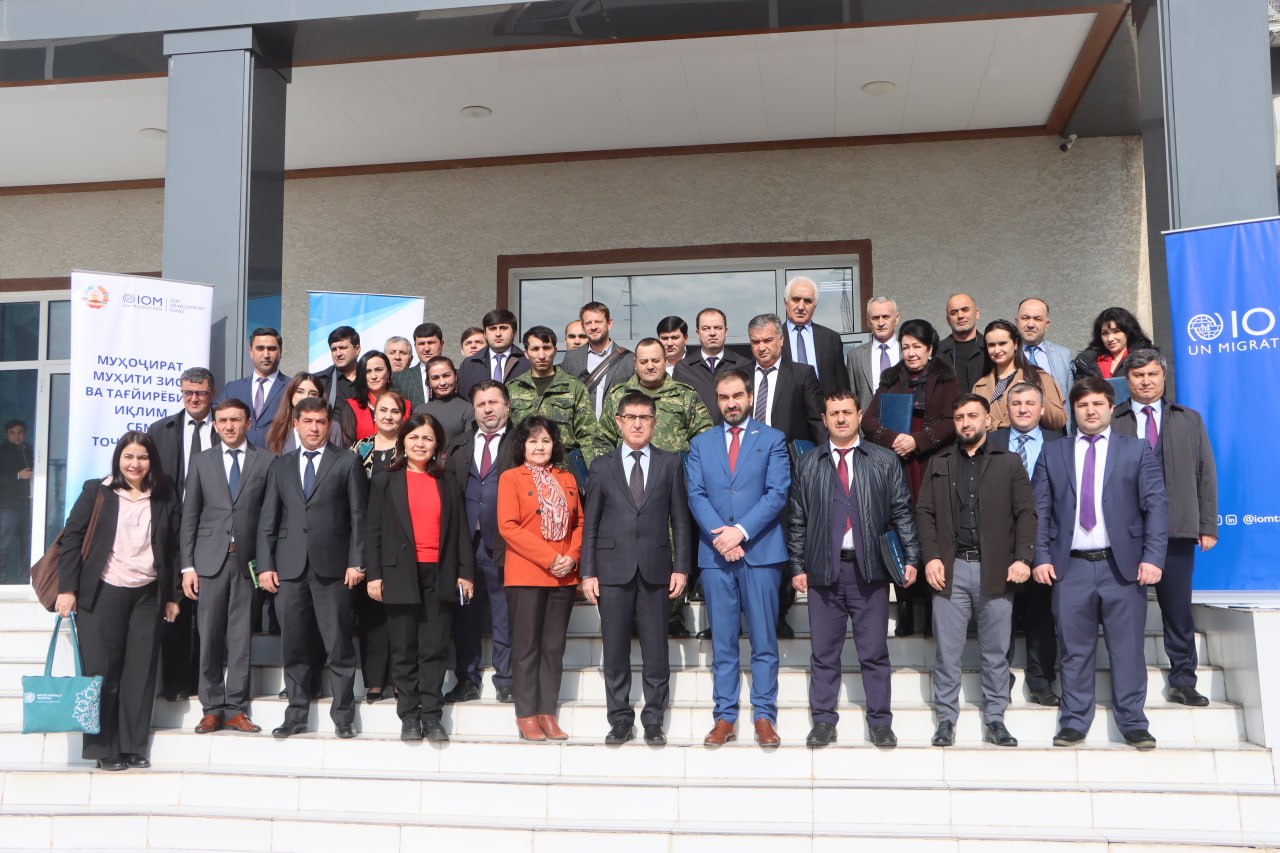
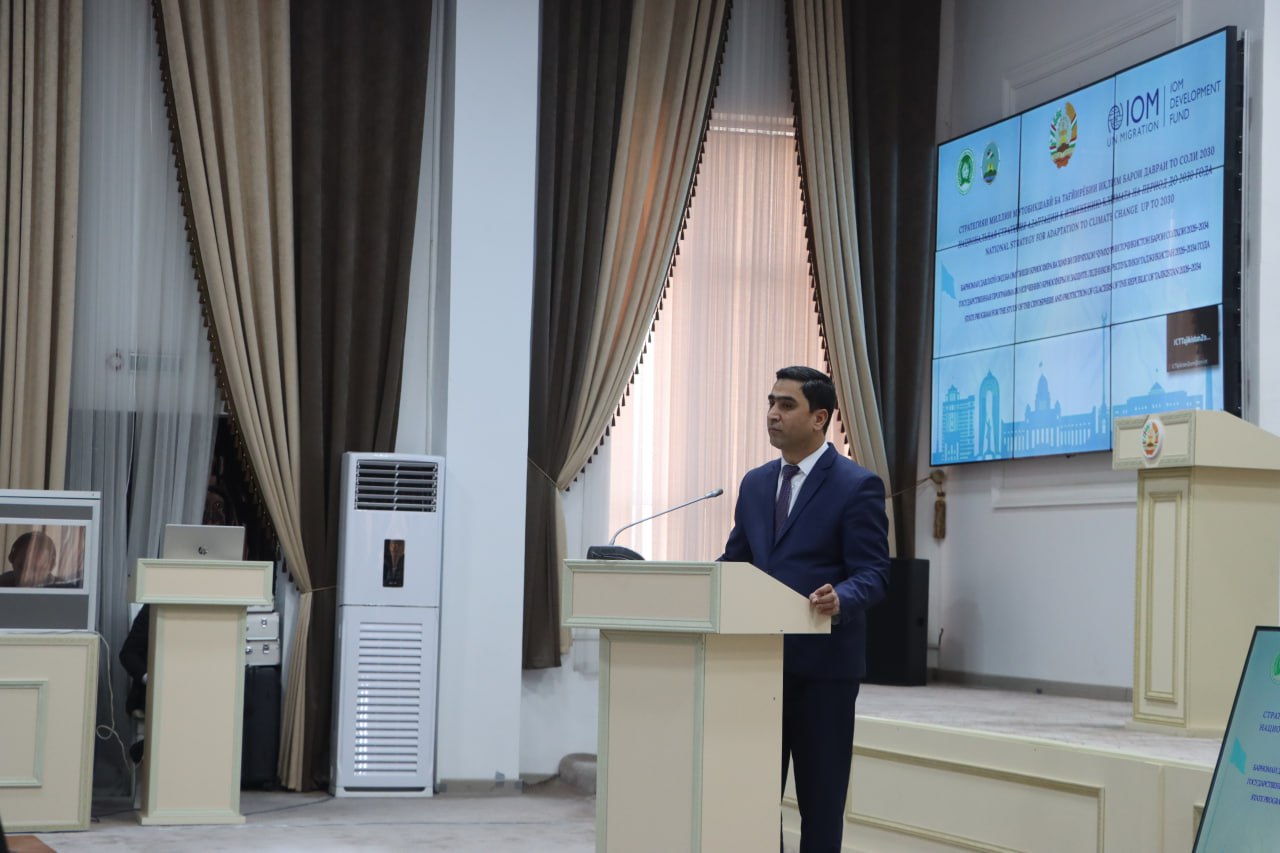
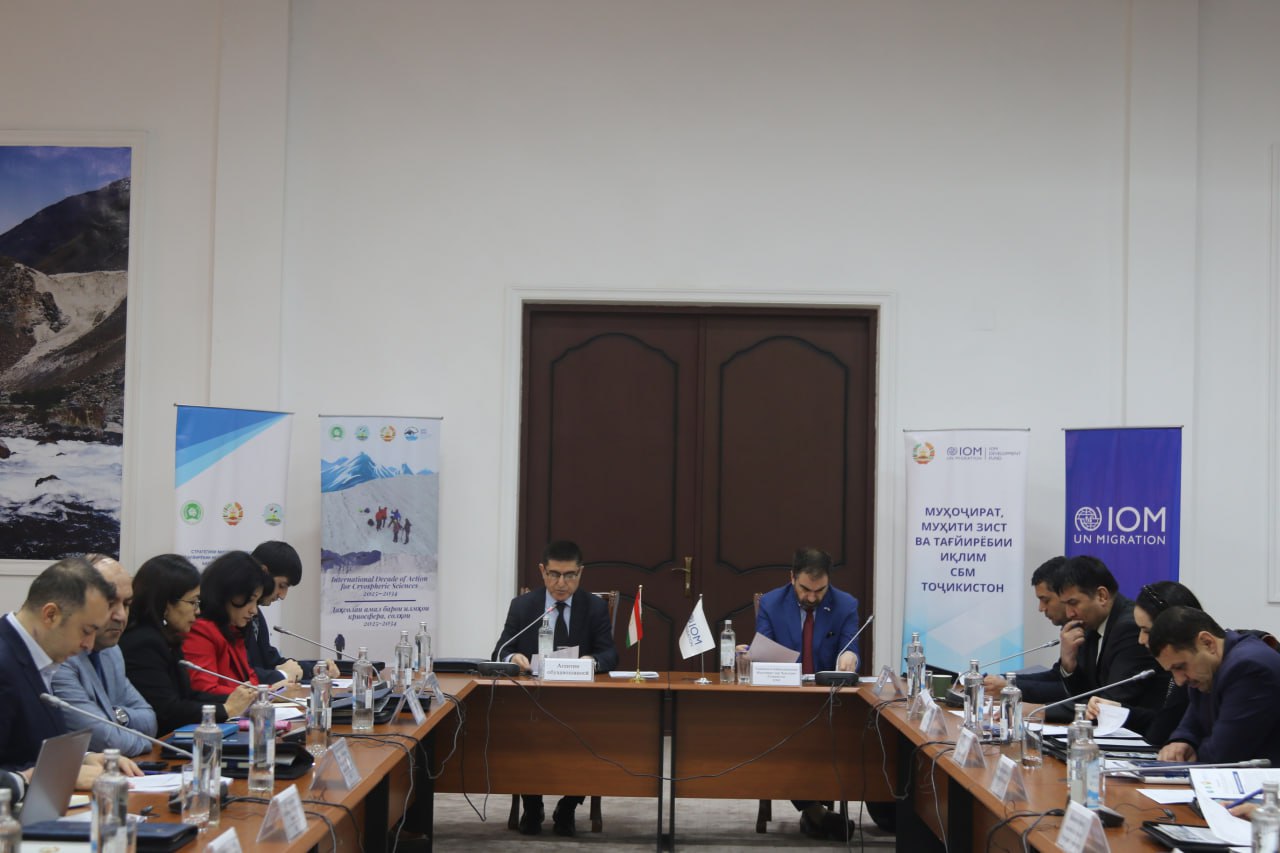
On 10 February 2026, at the initiative of the Agency for Hydrometeorology under the Committee for Environmental Protection under the Government of the Republic of Tajikistan, in cooperation with the International Organization for Migration (IOM), a Round Table was held on the implementation of the Action Plan of the National Climate Change Adaptation Strategy of the Republic of Tajikistan (NCCAS) up to 2030 for the period 2025–2027, as well as on initiating the development of the State Program on Cryosphere Research and Glacier Preservation of the Republic of Tajikistan for 2026–2034.
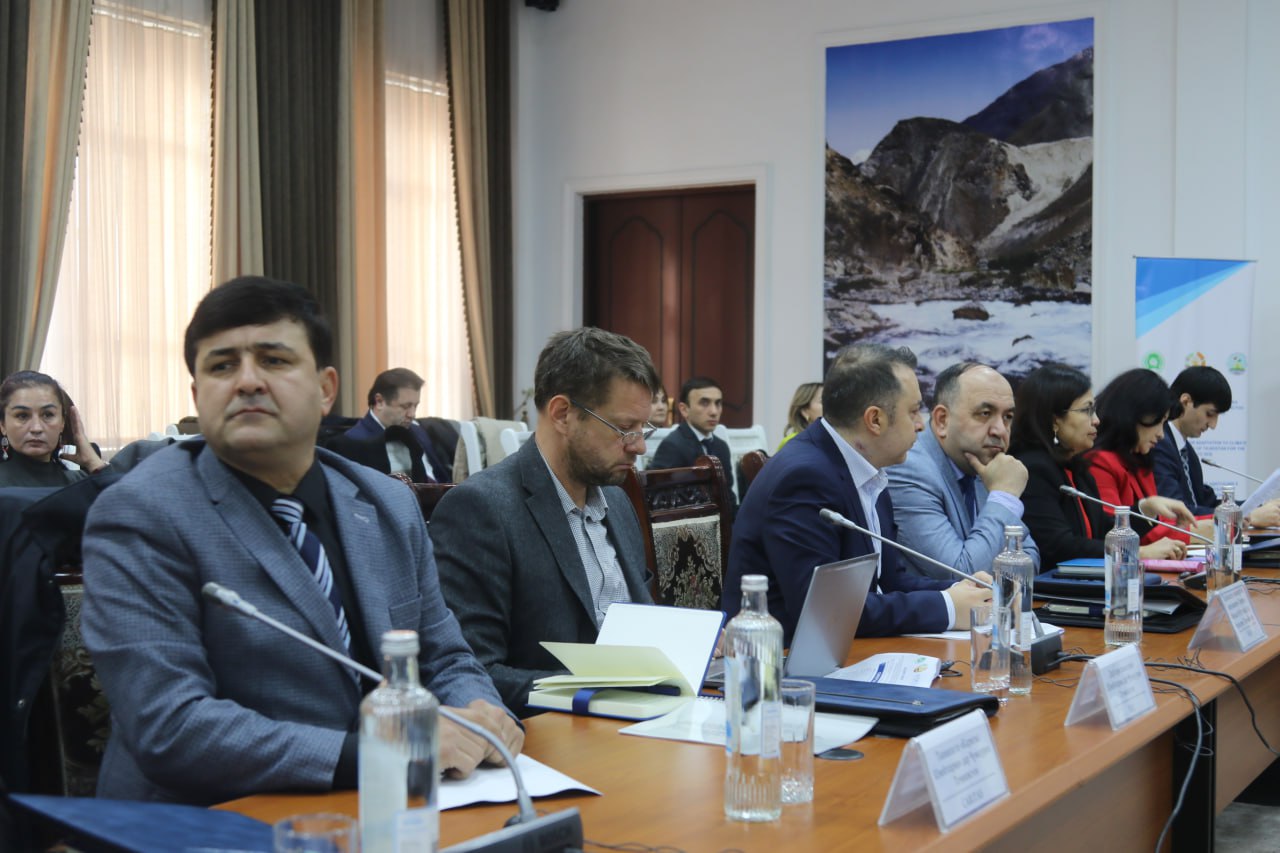
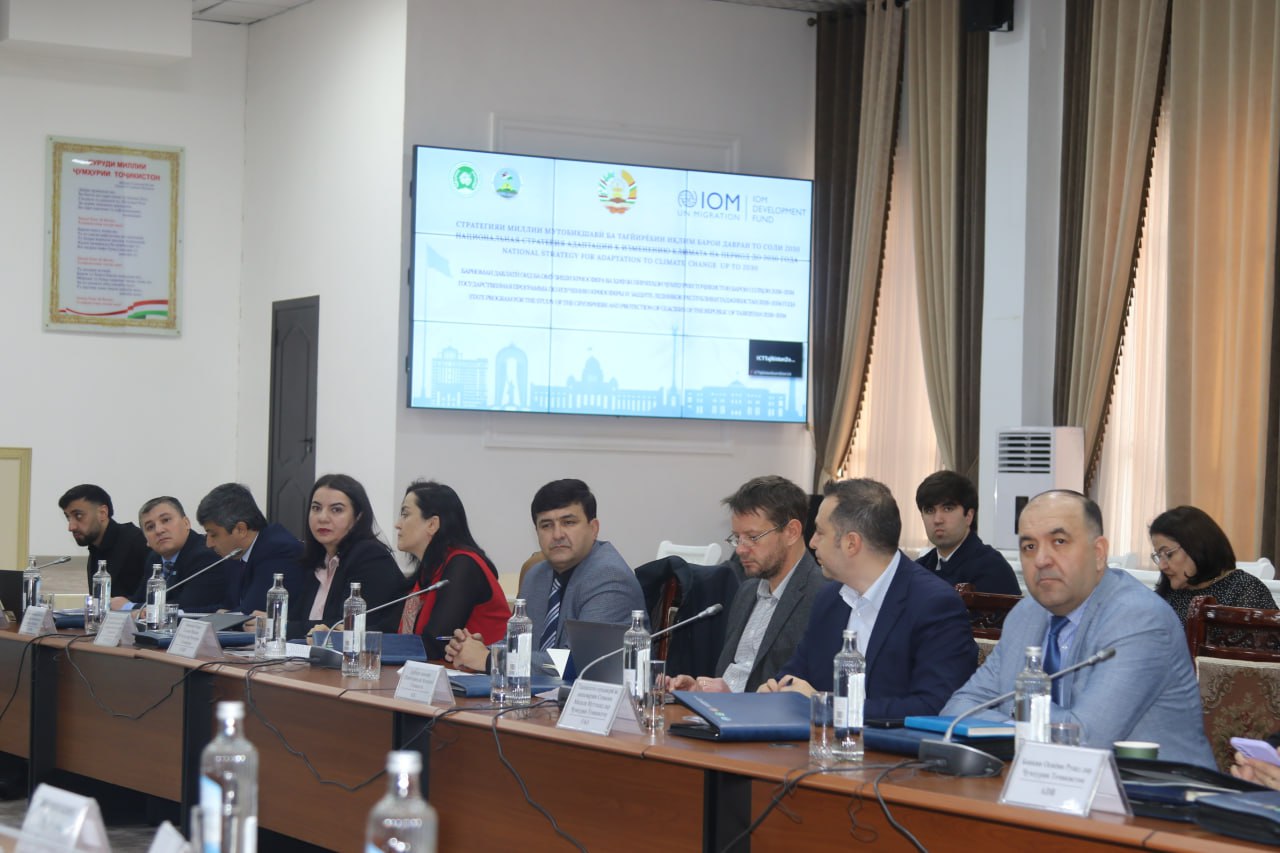
The event was held with broad participation of representatives of relevant ministries and agencies, higher education institutions and research institutes of the republic, as well as international organizations and mass media.
The Round Table was opened with welcoming remarks by the Director of the Agency for Hydrometeorology, Mr. Qurbonzoda A.H., and the Head of the International Organization for Migration (IOM) Mission in Tajikistan, Mr. Viktor Lutenko.
In his remarks, the Director of the Agency for Hydrometeorology, Mr. Qurbonzoda A.H., emphasized that the Founder of Peace and National Unity – Leader of the Nation, President of the Republic of Tajikistan, H.E. Emomali Rahmon, recognizes glaciers as a vital component of Tajikistan’s economy, social sphere, and environment. Through initiatives, the implementation of scientific and international programs, as well as engagement of the global community, effective measures are being undertaken to preserve glaciers, which provides a favorable foundation for addressing climate change–related challenges.
In turn, Mr. Viktor Lutenko, Head of the IOM Mission in Tajikistan, noted that the impacts of climate change affect all sectors of the economy and, in this context, influence population migration. In this regard, interagency integration and cooperation among relevant institutions contribute to facilitating the resolution of existing challenges.
It should be noted that the Round Table provided an opportunity to consolidate the efforts of relevant ministries and agencies, as well as key stakeholders, to analyze current progress, identify institutional and programmatic gaps, and determine priority areas for further action. Furthermore, the event served as a starting point for considering the development of a dedicated programmatic document aimed at the long-term development of the system for cryosphere research and preservation.
10.02.2026